AI Ethics and Regulation in the USA and UK
In early 2025, a deepfake video of a UK politician went viral, sparking outrage and calls for tighter controls. It showed the leader making false statements that swayed public opinion before an election. This incident highlights the real dangers of unchecked AI.
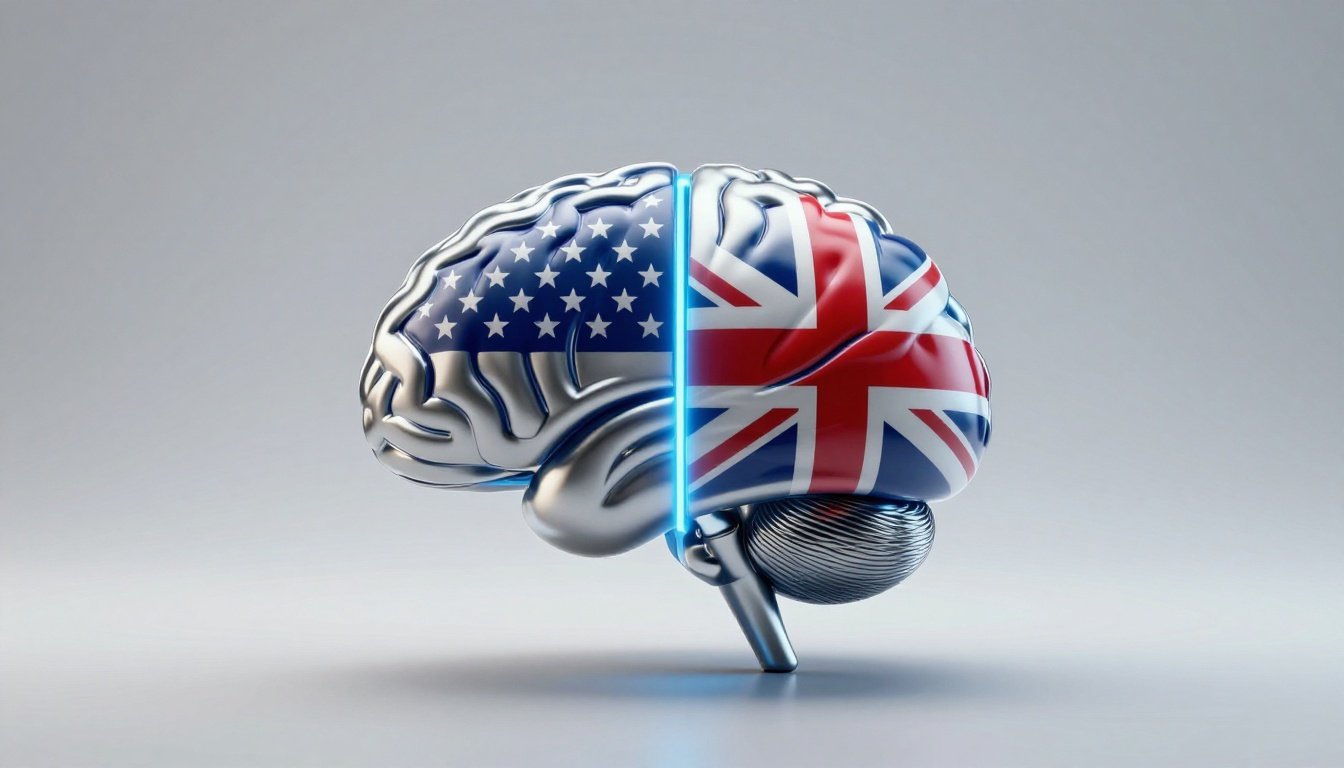
This article compares AI ethics and regulation in the USA and UK. We look at their current rules, ethical guidelines, and future paths. The goal is to show how these nations tackle AI risks in different ways.
The analysis covers risk-based methods, laws in motion, and core ethical ideas. It also touches on practical challenges like bias and deepfakes. By the end, you'll see clear contrasts and tips for businesses.
The Foundational Pillars: Contrasting Ethical Frameworks
Ethical rules form the base for AI use in both countries. The USA leans on flexible, sector-specific guides. The UK focuses on broad principles to spark innovation.
These frameworks shape how companies build and deploy AI tools. They aim to prevent harm while allowing growth. Let's break down each approach.
United States: A Sectoral and Principles-Based Approach
The US handles AI through existing agencies rather than new laws. Bodies like the Federal Trade Commission (FTC) and Food and Drug Administration (FDA) apply old rules to new tech. The Equal Employment Opportunity Commission (EEOC) checks for bias in hiring AI.
This setup lets regulators adapt quickly to issues. But it can lead to uneven enforcement across states. Companies must watch multiple rules at once.
Early guides from the government push voluntary steps. They stress trust and safety without strict mandates. This keeps innovation alive but raises questions about consistency.
The Blueprint of Trust: NIST and Biden Administration Directives
The National Institute of Standards and Technology (NIST) released its AI Risk Management Framework in 2023. It offers steps for spotting and handling AI risks in any field. Businesses can adopt it on their own to build safe systems.
President Biden's 2023 Executive Order pushed for safe AI. It ordered agencies to set standards for high-risk uses like cybersecurity. By 2026, updates include testing for biases in federal AI tools.
These efforts create a map for ethical AI. They focus on mapping risks and governing them well. Yet, without laws, adoption varies by company size.
United Kingdom: Pro-Innovation Through Contextual Regulation
The UK avoids a big EU-style AI law. Instead, its 2023 white paper sets principles for regulators to follow. This keeps rules light to boost tech growth.
Regulators like the Information Commissioner's Office (ICO) for data and the Competition and Markets Authority (CMA) for business apply these ideas. They tailor rules to specific sectors. This method aims for flexibility over rigid controls.
Debates continue on who handles what. Lawmakers push for clear roles in areas like health AI. The approach tests if principles can guide without slowing progress.
The Five Principles Framework (Fairness, Transparency, Accountability, etc.)
The UK's framework lists five key ideas: safety, transparency, fairness, accountability, and contestability. Regulators must weave these into their work. For example, the ICO ensures AI data use is fair and open.
These principles cover redress for AI harms too. Users can challenge bad decisions. Enforcement ramps up in 2026 with ICO fines for violations.
This setup empowers watchdogs to act fast. It differs from heavy laws by trusting experts. Still, some worry it lacks teeth for big tech.
Comparative Analysis: Centralized vs. Decentralized Governance
The UK uses a central set of principles applied by various regulators. This creates a unified voice on ethics. The US spreads duties across agencies and states, leading to a patchwork.
Speed is a big difference. UK principles rolled out quickly via white paper. US efforts rely on executive orders, which can shift with elections.
Both value innovation, but paths vary. The UK's model might unify faster. The US approach allows tailored fixes but risks gaps.
Legislative Momentum: Tracking Key Regulatory Milestones
Laws are picking up pace in both places. The US sees action at state levels amid federal delays. The UK builds on talks and global ties.
These targets high-risk AI like self-driving cars and job tools. They aim to fix harms before they spread. Progress shows commitment to safe tech.
By March 2026, bills pile up, driven by public pressure. Incidents like biased algorithms fuel urgency. Now, let's see the details.
The US Legislative Landscape: State-Level Action vs. Federal Inertia
Federal laws lag due to Congress gridlock. No big AI bill passed by 2026. Instead, states lead with targeted rules.
Colorado's 2024 AI Act requires impact checks for high-risk systems. It bans bias in state services. New York City's 2021 law limits automated hiring tools.
These efforts fill gaps but create confusion for national firms. Over 10 states now have AI bills on bias or privacy. Federal pushes, like the 2025 AI Accountability Act, stall in committees.
Focus on High-Risk Applications: Employment and Bias
States target job AI hard. Illinois requires notices for automated decisions in hiring. California eyes rules for lending algorithms to cut discrimination.
A 2025 case saw the FTC fine a firm for biased credit AI. It denied loans to minorities based on flawed data. Such examples drive state laws.
These rules demand audits and fixes. They protect workers from unfair tech. But varying state standards challenge companies.
The UK's Path: AI Liability and Regulatory Sandboxes
The UK consults on liability for AI harms. A 2024 paper proposes changes to hold makers accountable for autonomous systems. It covers products like chatbots gone wrong.
Regulatory sandboxes let firms test AI safely. The Financial Conduct Authority runs one for finance AI. By 2026, it expands to health tech.
These tools balance risk and reward. They spot issues early without full bans. Lawmakers debate expanding to all sectors.
The AI Safety Summit and International Collaboration
The 2023 Bletchley Park summit drew global leaders. It produced the Bletchley Declaration on AI risks. The UK leads with its AI Safety Institute, launched in 2024.
The institute tests frontier AI models for dangers. It shares findings worldwide. In 2026, it partners with the US on safety standards.
This positions the UK as a safety hub. It fosters talks on global rules. Collaboration could harmonize ethics across borders.
Ethical Challenges in Practice: Deep Fakes, Bias, and Intellectual Property
AI brings real-world headaches. Bias in tools hurts people daily. Deepfakes spread lies fast.
Both nations grapple with these. Regulators step in with cases and guides. Solutions mix tech fixes and laws.
Creative fields worry about stolen work too. Training AI on books or art raises fights. Let's explore key issues.
Addressing Algorithmic Bias and Fairness
Biased AI shows up in credit scores. A 2024 US study found models charged higher rates to Black applicants. UK banks faced ICO probes for similar flaws in loan AI.
In criminal justice, US tools like COMPAS over-predict risk for minorities. A 2025 UK report flagged bias in police facial recognition. These cases demand better data and checks.
Regulators push for diverse training sets. Firms must test for fairness gaps. Real harm drives the need for action.
Transparency and Explainability (XAI) Requirements
Users want to know why AI decides. The UK's GDPR-like rules give a right to explanations. US states like California mandate notices for automated choices.
XAI tools make black-box models clear. Regulators ask for simple breakdowns of decisions. A 2026 FTC guide outlines steps for explainable AI in ads.
This builds trust. It lets people challenge errors. Both countries stress it for high-stakes uses.
Copyright, Deepfakes, and Content Provenance
Generative AI trains on vast data, often copyrighted. US lawsuits hit firms like OpenAI in 2025. UK authors sued over book use in models.
Deepfakes flood elections. A 2026 UK incident faked a celebrity endorsement. Both sides seek ways to trace origins.
Laws lag tech speed. Courts decide fair use cases. Industries push for protections.
Mandatory Watermarking and Provenance Tracking
Proposals call for watermarks on AI media. The US 2025 NO FAKES Act bans deepfake harms without consent. UK's Online Safety Bill adds provenance rules.
Voluntary pacts from tech giants embed markers. They track AI-generated content. By 2026, tools like C2PA standard help verify sources.
These steps fight fakes. They aid creators and voters. Enforcement grows with tech advances.
Implementation and Compliance: Actionable Steps for Organizations
Firms need plans to follow rules. Multinationals face dual demands from US and UK. Start with risk checks to sort priorities.
Build teams for oversight. Train staff on ethics. Document everything for audits.
Compliance saves fines and builds rep. It turns rules into strengths. Here's how to start.
Navigating Compliance: Risk Triage for Multinational Firms
Assess AI tools by risk level. High-stakes ones like medical diagnostics need deep reviews. Low-risk chatbots get lighter checks.
Adapt to both regimes. Meet UK's principles and US sector rules. Use shared audits to cut work.
Map operations across borders. Spot overlaps like bias tests. This keeps you ahead of changes.
Building an Internal AI Governance Committee
Form a committee with tech, legal, and ethics experts. Meet monthly to review projects.
- Step 1: Define roles—chair leads, members flag risks.
- Step 2: Set checklists for bias scans and transparency.
- Step 3: Report to execs on findings.
This group catches issues early. It ensures ethical deploys. Tip: Start small, then scale.
Fostering Ethical AI Culture Within Enterprises
Train teams on AI pitfalls. Workshops cover bias spots and fair data use. Make ethics part of job goals.
Document decisions clearly. Keep logs of changes. This preps for regulator visits.
Lead by example. Execs champion safe AI. It shifts culture from speed to care.
Documentation Best Practices for Audit Readiness
Track data sources from day one. Note where training info comes from.
- Log model tests: Record accuracy and bias scores.
- Do impact assessments: Gauge effects on users.
- Update records yearly: Show ongoing compliance.
These habits ease inquiries. They prove due diligence. Tip: Use simple tools like shared drives.
Conclusion: Convergence or Continued Divergence?
The US sticks to sector rules and executive guides. The UK bets on principles and flexible oversight. These paths highlight different views on balancing innovation and safety.
Key findings show the US patchwork speeds local fixes but slows national unity. The UK model fosters quick adaptation yet risks weak spots. Both tackle bias, deepfakes, and IP with growing tools.
Looking ahead, ties like the AI Safety Institute point to shared standards. Liability reforms may align soon. Global pressures could push convergence.
Proactive ethics beats waiting for laws. Companies that act now lead responsibly. Stay informed on updates—your next AI project depends on it. What steps will you take today?
Related Articles
More in Tech & Society
Data Privacy Laws in the USA and UK: Your Essential Comparison Guide
Compare GDPR, CCPA, and UK data protection laws side by side with practical compliance guidance.

How Governments Are Regulating AI
A global look at AI governance frameworks, from the EU AI Act to emerging policies in Asia.

Essential Tech Skills in 2026
The most in-demand technical skills employers are looking for in 2026 — with a roadmap to learn them.