Autonomous Vehicles and Future Mobility
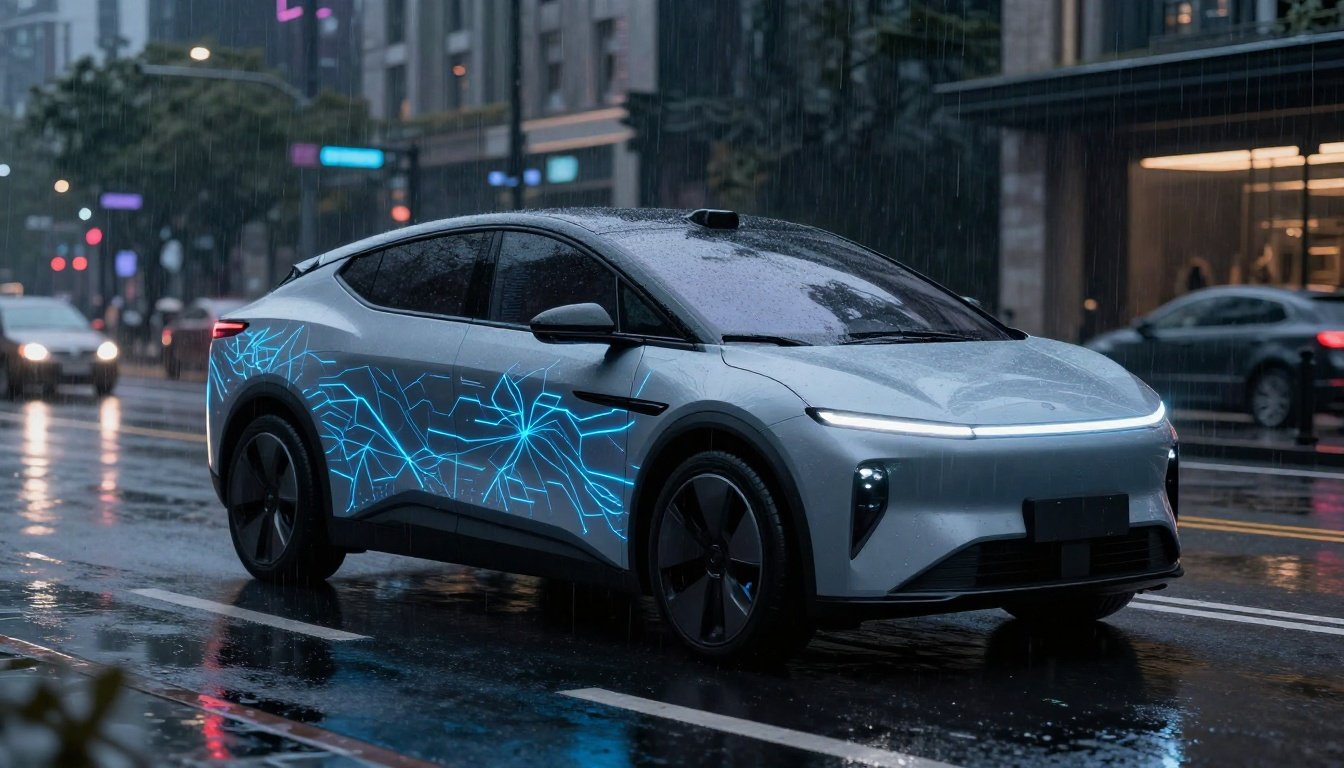
Imagine a world where cars drive themselves, cutting down crashes and freeing up your time on the road. That's the promise of autonomous vehicles, or AVs, powered by artificial intelligence. These self-driving cars use AI to sense surroundings, make split-second choices, and steer clear of trouble.
AVs range from Level 0, where humans do all the work, to Level 5, full hands-off freedom in any condition. AI sits at the heart of it all, crunching data like a super-smart brain. This article breaks down the tech behind AVs, their big impacts, tough challenges, and steps to get ready for what's next.
The Core Technology Stack: How AI Powers Self-Driving Cars
AI turns regular cars into smart machines that think and react on their own. It blends hardware like sensors with software that learns from vast amounts of road data. Without AI, self-driving cars would just be fancy toys; with it, they become reliable partners.
Machine learning lets these systems improve over time, spotting patterns humans miss. Deep learning dives even deeper, mimicking how our brains process sights and sounds. Together, they form the backbone of AV tech.
Sensor Fusion and Environmental Perception
Sensors act as the eyes and ears of an autonomous vehicle. LiDAR shoots laser pulses to map out shapes in 3D, even in the dark. Radar bounces waves off objects to gauge speed and distance, ignoring rain or fog.
Cameras capture colors and signs, much like human vision. Ultrasonic sensors handle close-range bumps, like parking spots. AI fuses all this data into one clear picture, using algorithms to weigh each input's strengths.
This sensor fusion creates a real-time 3D model of the road. For example, if rain blurs a camera, LiDAR steps in. Industry tests show these systems hit over 99% accuracy in spotting obstacles, per reports from tech firms like Waymo.
Decision Making and Path Planning Algorithms
Once the environment is mapped, AI takes over as the car's brain. It uses reinforcement learning to test actions in simulations, rewarding safe moves. Predictive modeling guesses what pedestrians or other drivers might do next.
Think of it like a chess game: AI scans ahead, weighs risks, and picks the best route. In busy traffic, it anticipates a bike swerving left by analyzing patterns from millions of miles driven.
Path planning ensures smooth, efficient travel. Algorithms calculate turns and speeds to avoid jams. Research from Stanford University shows these tools predict trajectories with 95% precision, boosting overall safety.
High-Definition Mapping and Localization
AVs rely on detailed maps that update constantly. High-definition maps mark lanes, curbs, and traffic lights down to inches. AI uses this as a base layer for navigation.
Localization keeps the car pinpointed on the map. GPS works fine in open areas, but buildings block signals in cities. That's where SLAM comes in—Simultaneous Localization and Mapping builds the map on the fly.
AI matches sensor data to map features for centimeter accuracy. Even without GPS, the car stays on track. Companies like Tesla update these maps via crowdsourced data from their fleets.
Impact Across Industries: Transforming Transportation and Urban Life
AVs don't just change driving; they reshape how we move goods and live in cities. AI makes trips safer and smarter, opening doors to new business models. Let's see how this tech ripples out.
Safety gains top the list, with fewer wrecks from tired or reckless humans. Logistics speeds up deliveries, cutting costs for everyone. Urban spaces could free up for parks instead of parking lots.
Enhancing Road Safety and Reducing Accidents
Human error causes 94% of crashes, according to the National Highway Traffic Safety Administration. Distracted or drunk driving kills thousands yearly. AVs, driven by AI, stay alert 24/7, no coffee breaks needed.
These systems react faster than we do—braking in milliseconds. Tests show AVs cut accident rates by up to 90% in controlled trials. No more texting behind the wheel means lives saved.
Experts from the Insurance Institute for Highway Safety predict a drop in fatalities by 80% once AVs go mainstream. You could ride worry-free, trusting code over impulse.
Redefining Logistics and Commercial Fleet Operations
Trucks haul freight across countries, but drivers need rest. Autonomous trucks run non-stop, boosting delivery speeds. AI optimizes routes, dodging traffic for on-time arrivals.
Last-mile delivery gets a lift too. Drones and robot vans handle packages door-to-door. Companies like Amazon test these, slashing labor costs by 30%.
Fuel savings add up as AI drives smoothly, no jackrabbit starts. Fleets operate longer hours without fatigue breaks. This means cheaper goods for you and greener roads overall.
The Future of Urban Planning and Personal Mobility
Picture hailing a ride that arrives instantly, no ownership hassles. Mobility-as-a-Service, or MaaS, lets you subscribe to transport like Netflix for movies. AVs make it real, reducing the need for your own car.
Cities could shrink parking garages, turning space into bike paths or green areas. Dense spots like New York might see 20% less congestion. AI coordinates shared fleets for peak efficiency.
Personal trips become seamless. You nap or work while the car handles the rest. This shift frees up urban land, making life more walkable and fun.
Critical Challenges and Ethical Quandaries in Deployment
Full AV rollout faces roadblocks, from tech glitches to tough choices in crises. Regulations lag behind innovation, leaving gaps in rules. Public trust builds slowly, but hurdles must clear for progress.
Cyber threats loom large, demanding ironclad defenses. Ethics force us to question how machines value lives. Tackling these head-on paves the way forward.
Regulatory Frameworks and Liability Determination
Rules for AVs vary by country, creating a messy patchwork. The U.S. has state-by-state tests, while Europe pushes EU-wide standards. Full Level 5 autonomy needs global harmony.
Who pays in a crash? Is it the car maker, software coder, or owner? Courts grapple with this now. New laws might shift blame to AI flaws, pushing firms to prove safety.
Bodies like the UN work on unified guidelines. Clear rules build confidence, speeding adoption.
Cybersecurity Vulnerabilities and System Integrity
Connected AVs invite hackers. They could spoof sensors with fake signals, tricking the car into wrong turns. Or breach the OS to take control remotely.
AI fights back with encryption and anomaly detection. Over-the-air updates patch holes fast, like phone software. But threats grow as cars link to grids.
Strong protocols protect data streams. Tests show secure systems block 99% of attacks. Your safety depends on these defenses staying ahead.
The Trolley Problem and AI Ethics in Crisis Scenarios
What if a crash is unavoidable—swerve into a crowd or hit one person? The trolley problem tests AV morals. Programmers must code priorities: protect passengers first, or save the most lives?
Public polls show split views; some want equal value for all. AI learns from ethics training data, but biases creep in. How do we teach fairness to machines?
These dilemmas shape trust. Open debates with experts guide better choices. AVs must reflect our values to win hearts.
Preparing for the Autonomous Future: Actionable Insights
Stakeholders need plans now to ease into AVs. Makers focus on tech tweaks; leaders build smart rules. You, as a user, stay informed and cautious.
Collaboration speeds change. From code to policy, everyone plays a part. Here's how to gear up.
For Automotive Manufacturers and Tech Developers
Standardize V2X tech—vehicle-to-everything—for cars to talk to lights and bikes. Run endless sims to test rare scenarios. Log all data transparently for reviews.
Invest in diverse training sets to cut biases. Partner with unis for fresh ideas. These steps build robust, fair AVs.
For Policy Makers and Urban Planners
Set up test zones with smart signs and AV lanes. Update roads for sensors, like reflective paints. Craft privacy rules for car data collection.
Fund public rides to demo safety. Align laws across borders. This infrastructure supports smooth rollout.
For Consumers and the General Public
Learn the levels: Level 2 needs your eyes on the road. Don't zone out in partial autonomy. Join education drives to spot AV limits.
Demand clear labels on features. Test rides build comfort. Stay engaged as tech advances.
Conclusion: The Inevitable Convergence of AI and Transportation
Autonomous vehicles and AI promise safer roads, efficient logistics, and vibrant cities. We've explored the tech stack, from sensors to ethics, and the hurdles ahead. Safety jumps, accidents drop, and mobility opens up for all.
Yet, full autonomy demands teamwork—fixing regs, securing systems, and debating morals. The shift is coming, reshaping how we travel. Get ready; the wheel's turning toward a smarter future.
Related Articles
More in Tech Trends
The Definitive Guide to the Best Tech Trends Shaping 2026
The most important technology trends of 2026 that every professional and business leader needs to know.

Quantum Computing Explained: The Future of Computation Unlocked
A plain-English explainer on quantum computing — what it is, how it works, and when it will matter.

Blockchain Beyond Cryptocurrency: Unlocking the Enterprise Revolution
How businesses across supply chain, healthcare, and finance are using blockchain beyond Bitcoin.