Quantum Computing Explained: The Future of Computation Unlocked
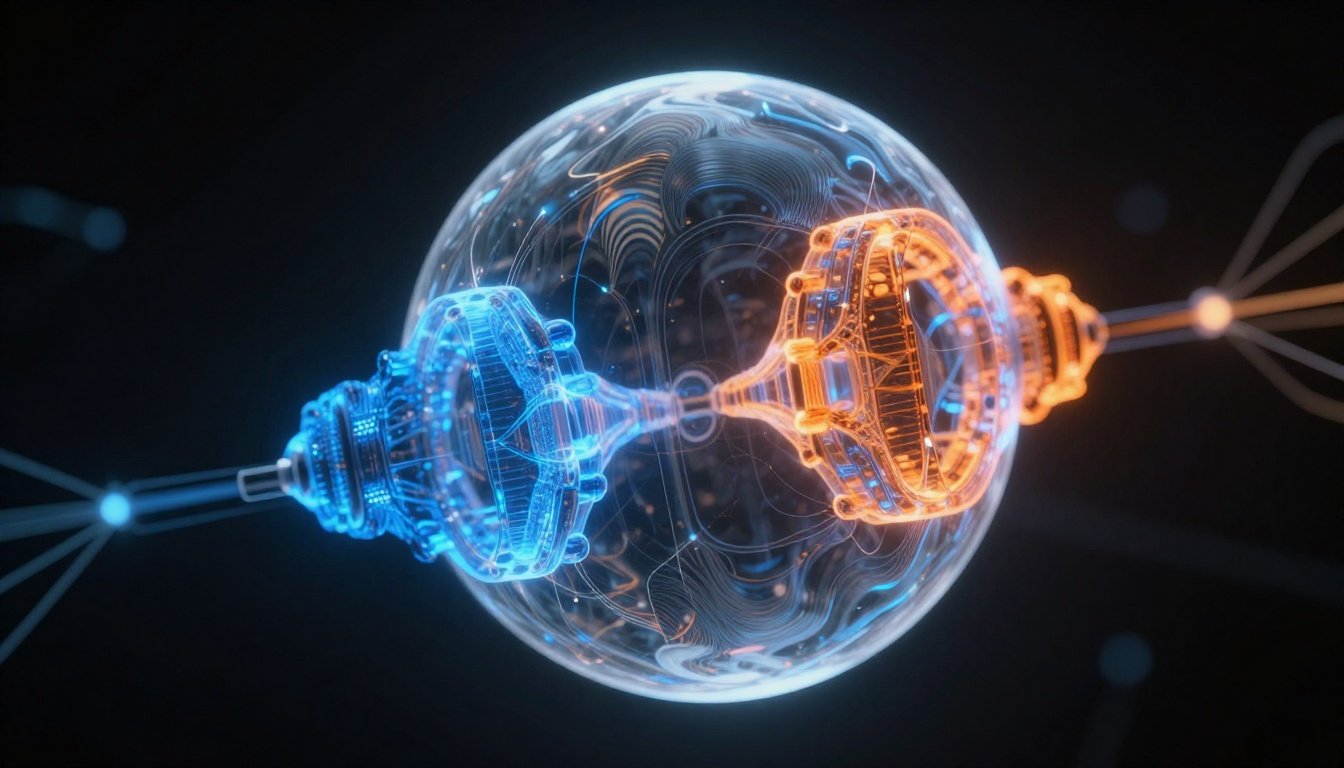
Imagine trying to crack a puzzle that takes today's fastest computers millions of years. Problems like designing new drugs or simulating weather patterns push classical machines to their limits. Quantum computing steps in as the game-changer, using rules from the tiny world of atoms to solve these riddles fast.
Quantum computing taps into quantum mechanics. It uses ideas like superposition and entanglement to handle tasks no regular computer can touch. Think of it as a brain that explores many paths at once, not one by one.
In this guide, you'll grasp the basics of quantum computing. We'll cover key ideas like qubits and how they beat binary bits. Then, we'll look at hardware builds and real-world uses. By the end, you'll see why this tech could reshape science and business.
The Quantum Leap – Fundamental Concepts
What is a Qubit? The Quantum Bit
A qubit forms the heart of quantum computing. Unlike a classical bit, which sticks to 0 or 1, a qubit can be both at the same time. This trick comes from superposition.
Superposition lets a qubit hold multiple states until you measure it. One qubit acts like two choices. Two qubits? That's four options running parallel. Add more, and the power explodes—n qubits mean 2^n possibilities.
This setup cranks up speed for tough math problems. Classical computers plod through steps one at a time. Quantum ones test tons of answers together. You get results quicker, especially for searches or patterns.
Harnessing Connection: Entanglement Explained
Entanglement links qubits in a special way. When two qubits entangle, what happens to one affects the other right away. Distance doesn't matter—even across a room, they stay tied.
Picture two coins glued together. Flip one heads, the other turns tails without a touch. That's entanglement at work. It creates a web where qubits share info instantly.
This bond boosts quantum computing power. Linked qubits let the system crunch data as a team. It speeds up calculations that need perfect sync. Without it, you'd lose the edge over old-school tech.
Interference: Guiding the Calculation
Interference shapes how quantum computers pick winners. After superposition spreads out options, interference steps in. It boosts waves for right answers and wipes out wrong ones.
Think of it like ripples in a pond. Good paths add up to big waves. Bad ones cancel each other. Measure at the end, and you hit the solution more often.
This filter makes quantum algorithms shine. It explores a huge space fast, then hones in on truth. Classical methods guess and check slowly. Here, nature guides the hunt.
Classical vs. Quantum: Why the Difference Matters
Classical computers follow Moore's Law. It says chip power doubles every two years or so. But that trend slows now. Big problems like factoring huge numbers stump them.
Take RSA encryption. A supercomputer might need billions of years to break a 2048-bit key. Quantum tech could do it in hours. Simulating molecules for drugs? Classical runs take weeks. Quantum cuts that to days.
These walls block progress in fields like climate modeling. We need better tools for real-world messes. Quantum computing fills that gap with fresh math.
Shor's Algorithm and Grover's Algorithm: Quantum Power Showcases
Shor's algorithm factors big numbers quick. It uses quantum tricks to find primes fast. Classical ways scale poorly—time grows with key size.
For RSA, this means trouble. Banks and sites use it now. A quantum machine with 4,000 stable qubits could crack codes we trust. That's why experts push for new security.
Grover's algorithm searches databases better. It gives quadratic speedup. Hunt an unsorted list? Classical checks each item. Grover narrows it to square root steps.
Both show quantum's edge. Shor threatens crypto. Grover aids AI and big data. They prove why we chase this tech.
The Computational Difference: Parallelism vs. Sequential Processing
Classical processing lines up tasks. Add bits, and speed grows linear. Ten bits mean ten steps, maybe.
Quantum flips that. Superposition runs parallel paths. Ten qubits? Over a thousand combos at once. Scale jumps exponential.
This matters for optimization. Find the best route in traffic? Classical guesses. Quantum tests all. You save time and fuel. It's not magic—just smarter use of physics.
Building the Machine: Quantum Hardware Architectures
Superconducting Qubits (Transmons)
Superconducting qubits lead the pack. Companies like IBM and Google build them with loops of wire. Cool them to near zero Kelvin, and they act quantum.
These transmons use Josephson junctions. Tiny barriers let current flow without loss. Lasers or microwaves flip their states.
The catch? Cold keeps them stable. One warm speck ruins the show. Labs use big fridges to chill setups. It works, but scaling needs better cooling.
Trapped Ion Qubits
Trapped ions offer another path. Strip electrons from atoms to make ions. Hold them still with electric fields.
Lasers poke these ions to set qubits. They entangle via shared vibes. IonQ and Honeywell bet on this method.
Pros shine in accuracy. Error rates drop low, around one in a thousand gates. It beats superconductors for clean ops. But linking many ions slows things. Speed trades for quality.
The Challenge of Decoherence and Error Correction
Decoherence kills quantum states. Heat, noise, or light bumps qubits off track. They lose their special overlap fast—seconds or less.
This noise builds errors in runs. A long calc? It falls apart midway. We fight back with error correction.
Quantum codes spread info over many qubits. Lose one? Others fix it. Google's teams test these now. Full fix needs thousands of qubits per logic one. It's tough, but key to big machines.
Current Applications and Industry Impact
Materials Science and Drug Discovery
Quantum excels at simulations. Model electrons in molecules? Classical skips details. Quantum tracks every jump.
This opens doors for new stuff. Design better batteries. Craft drugs that hit targets clean. Exxon and Merck test small sims already.
Take lithium compounds. Quantum predicts bonds right. It speeds R&D from years to months. Pharma saves billions in trials.
Optimization Problems (Finance and Logistics)
Tough choices fill business. Optimize stock picks? Route trucks? Classical tools approximate.
Quantum annealing tackles that. D-Wave's machines find low-energy states fast. It's like cooling a metal to perfect shape.
In finance, spot fraud patterns. Logistics cut fuel 10-20%. Banks like JPMorgan run pilots. Real gains show in tight markets.
Cryptography and Post-Quantum Security
Quantum threatens old locks. Shor breaks RSA and ECC easy. Governments race to update.
Post-quantum crypto uses hard math. Lattice problems resist quantum attacks. NIST picks winners now.
Check your systems. Swap keys where needed. CRQCs loom in 10-15 years. Prep now to stay safe.
Conclusion: Navigating the NISQ Era and Beyond
Quantum computing won't replace your laptop. It boosts hard tasks where classical fails. Think specialized tool, not all-purpose.
We're in the NISQ phase. Machines hold 50-100 noisy qubits. Errors limit them, but demos wow.
Fault-tolerant quantum comes next. Thousands of clean qubits unlock full power. By 2030, it could transform drug hunts and secure nets.
Stay tuned to this shift. Follow IBM's cloud access or read updates. Quantum shapes tomorrow—get ready to ride the wave.
Related Articles
More in Tech Trends
The Definitive Guide to the Best Tech Trends Shaping 2026
The most important technology trends of 2026 that every professional and business leader needs to know.

Blockchain Beyond Cryptocurrency: Unlocking the Enterprise Revolution
How businesses across supply chain, healthcare, and finance are using blockchain beyond Bitcoin.

Smart Cities and AI Technology
How AI is making cities smarter, more efficient, and more livable for millions of urban residents.