Edge Computing Explained
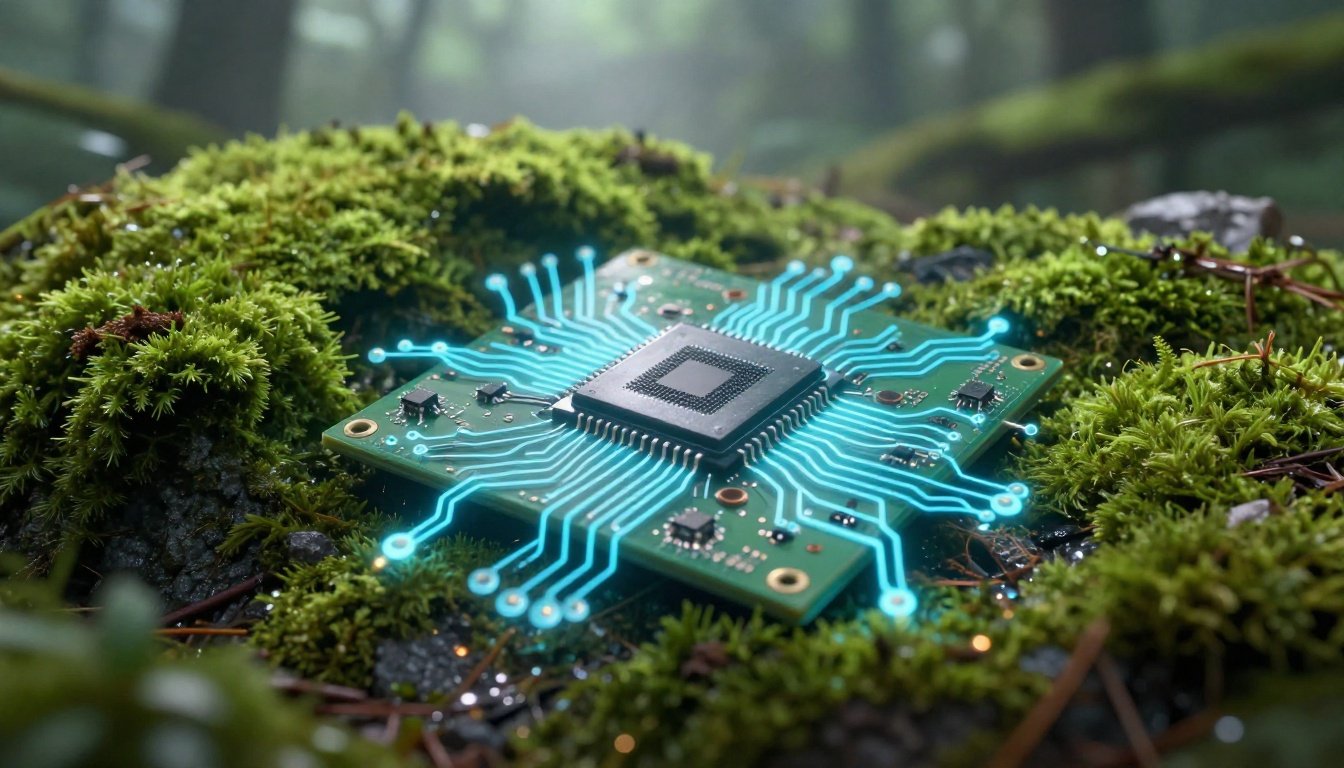
The world generates more data than ever. By 2025, experts predict over 175 zettabytes of data worldwide, much from billions of IoT devices like smart sensors and wearables. This flood creates a problem for old-school cloud systems, where all info travels to far-off servers. Delays hit real-time tasks hard, like self-driving cars dodging obstacles or factories spotting machine faults on the spot. Edge computing fixes this by handling data right where it starts, cutting wait times and boosting speed.
What is Edge Computing? Defining the Paradigm Shift
Edge computing moves data processing to the edge of the network, near where data comes from. Think of it as a shift from big central clouds to local spots like devices or nearby servers. This approach lets machines act fast without sending everything to a distant data center. In simple terms, it processes info on site to make quick choices.
You see the difference in how edge computing works. Traditional cloud setups gather data from everywhere and crunch it in one place. That means long trips for data, which slows things down. Edge keeps most work local, sending only key bits to the cloud later.
Edge vs. Cloud: Understanding the Architectural Differences
Edge computing processes data on local devices or gateways, not huge data centers. Cloud systems rely on those centers for all heavy lifting. This local focus cuts travel distance for data.
Data transfer drops big time with edge setups. You avoid shipping raw video feeds or sensor streams across networks. Costs fall too, since bandwidth use shrinks. For example, a camera in a store might analyze faces right there instead of uploading hours of footage.
Reliability jumps because edge nodes work solo if links fail. Cloud depends on steady connections. Edge spreads risk across many points.
The Components of an Edge Ecosystem
The edge starts with sensors and devices that collect data. These include cameras, temperature gauges, or vehicle trackers. They grab raw info in real time.
Next comes the edge gateway or server layer. This hardware filters and processes data close by. It runs simple AI to spot patterns without full cloud help.
Finally, a link ties it to the central cloud. This sends summary data for long-term storage or deep analysis. The setup forms a smart chain from local action to big-picture views.
Key Benefits Driving Adoption
Edge computing slashes latency to microseconds. This matters for apps needing instant responses, like medical alerts. You get decisions without cloud delays.
Bandwidth use drops as only vital data moves upstream. Full streams stay local, saving network strain and fees. Businesses cut costs on data plans.
Systems stay reliable even if internet dips. Local processing keeps operations running. No full stop during outages means less downtime.
Core Use Cases: Where Edge Computing Makes the Biggest Impact
Edge computing shines in spots where speed saves lives or money. Industries turn to it for quick data handling. Let's look at key areas.
Industrial IoT (IIoT) and Manufacturing
Factories use edge for predictive maintenance. Sensors on machines watch for wear and alert before breakdowns. This stops costly halts.
Real-time quality control spots defects as items roll off lines. Cameras analyze parts instantly, fixing issues on the fly. Response times under a millisecond keep production smooth.
Automated gear runs better with local processing. Robots adjust paths without cloud waits. Big plants like auto makers now rely on this for 24/7 ops.
Autonomous Vehicles and Smart Cities
Self-driving cars need edge for vehicle-to-everything talks. Sensors process road data to avoid crashes in seconds. Delays could spell danger.
In smart cities, traffic lights use edge to ease jams. Cameras count cars and tweak signals live. No cloud lag means safer streets.
Edge helps with public safety too. Drones scan areas for threats and respond fast. Cities save on response times and boost security.
Healthcare Monitoring and Remote Surgery
Wearables track patients' vitals with edge processing. If heart rates spike, alerts fire right away. No round-trip to servers saves critical seconds.
Remote surgery tools use edge for steady video feeds. Surgeons see clear images without lag. This aids ops in far-off spots.
Hospitals cut data loads by handling routine checks locally. Only odd readings go to clouds. It eases networks and speeds care.
Retail and Real-Time Inventory Management
Stores use edge for in-store analytics. Cameras track shopper paths to stock shelves smartly. Local processing keeps insights fresh.
Frictionless checkouts scan items at doors. No lines mean happy customers. Edge handles the math without cloud hits.
Personalized deals pop up via edge AI. Beacons spot you and suggest buys on the spot. Retailers see sales jump from quick service.
Technical Enablers: Technologies Powering the Edge
New tech makes edge computing real for everyday use. Hardware and software team up to run complex tasks locally. This opens doors for wide rollout.
Hardware Miniaturization and Specialized Processors
Small chips like GPUs fit into tiny devices. They handle AI tasks without big power draws. Rugged boxes hold them in tough spots.
TPUs speed up machine learning at the edge. These chips crunch numbers fast for pattern spotting. Factories and cars use them for real-time smarts.
Micro-servers pack punch in small spaces. They run inference on data streams. This lets edge nodes think like mini clouds.
Connectivity Protocols: 5G and Wi-Fi 6
5G brings low lag and high speeds to edge links. Network slicing carves paths for key data. It lets vehicles or sensors offload work smoothly.
Wi-Fi 6 boosts local nets with better throughput. Devices connect fast without clogs. This supports dense setups like warehouses.
Together, they enable hybrid work. Edge handles urgent jobs; 5G sends extras to clouds. Reliability grows for mobile edges.
Containerization and Microservices at the Edge
Containers package apps for easy edge deploys. They run light on low-power gear. Kubernetes manages them across sites.
Microservices break tasks into small parts. Update one without touching all. This fits distributed nodes.
Remote control stays simple. Push fixes over air to thousands of points. Edge fleets scale without chaos.
Deployment Strategies and Challenges
Rolling out edge means planning for spread-out systems. You face hurdles in management and safety. Smart steps help overcome them.
Managing Distributed Edge Nodes at Scale
Provision devices remotely to start. Tools automate setup for far sites. This cuts hands-on work.
Config management tracks changes across nodes. Software pushes updates when links allow. Intermittent nets need smart scheduling.
Monitor health with edge agents. They report issues locally first. Scale to thousands without losing grip.
Data Security and Governance at the Perimeter
Secure hardware with locks and tamper checks. Physical access blocks threats. Edge spots need strong defenses.
Encrypt data in motion and storage. Keys stay local for quick access. This guards against snoops.
Compliance fits data rules by site. Keep sensitive info in borders. Audits track flows to meet laws.
Operationalizing AI/ML at the Edge (Edge AI)
Prune models to trim size without losing smarts. Remove extra parts for faster runs. Test accuracy on target hardware.
Optimize code for low power. Use tools to squeeze AI into chips. This keeps edge devices cool and quick.
Train centrally, deploy at edges. Update models as data grows. Balance local learning with cloud brains.
Conclusion: The Future is Distributed
Edge computing builds a smart link from devices to clouds. It speeds up processing, cuts costs, and adds toughness. No full cloud swap—just better teamwork for data tasks.
Industries from factories to stores gain from quick local smarts. Tech like 5G and tiny chips make it all work. As data grows, edge keeps systems ahead.
Ready to try edge in your setup? Start small with key apps. See the gains in speed and savings firsthand. The shift to distributed power waits for you.
Related Articles
More in Tech Trends
The Definitive Guide to the Best Tech Trends Shaping 2026
The most important technology trends of 2026 that every professional and business leader needs to know.

Quantum Computing Explained: The Future of Computation Unlocked
A plain-English explainer on quantum computing — what it is, how it works, and when it will matter.
Blockchain Beyond Cryptocurrency: Unlocking the Enterprise Revolution
How businesses across supply chain, healthcare, and finance are using blockchain beyond Bitcoin.