Smart Cities and AI Technology
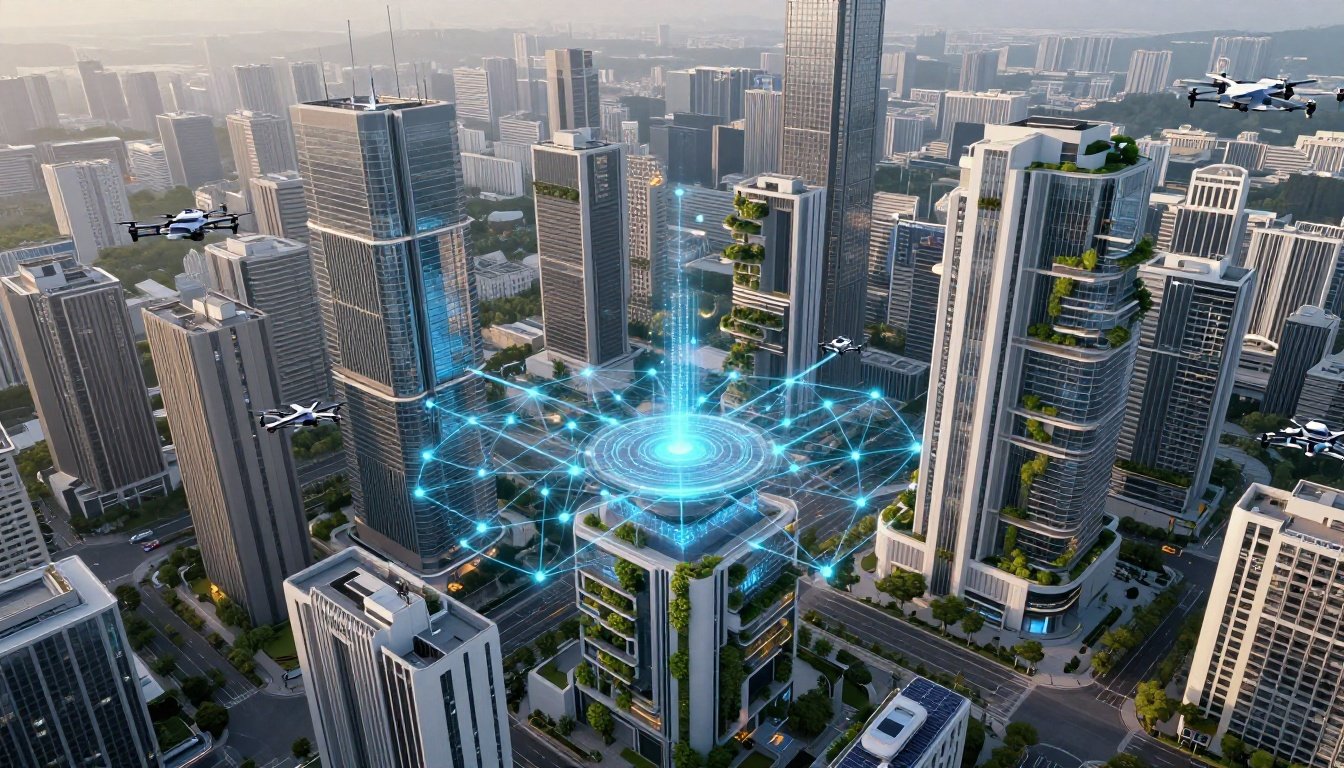
Imagine driving through a city where traffic lights adjust on the fly to your speed. No jams. No wasted time. Energy flows just right, lights dim when streets empty, and air stays clean thanks to smart alerts. This isn't science fiction. It's the promise of smart cities powered by AI technology. By 2026, over 60% of the world's people live in urban areas, according to UN reports. That's billions relying on better systems. Smart cities blend Internet of Things devices, data streams, and constant connections. AI steps in as the brain. It turns raw info into smart choices. Think efficiency in every corner, from greener streets to happier residents. This guide explores how AI shapes urban life. You'll see real wins, tough spots, and steps forward.
The Foundation: Core AI Technologies Powering Smart Urban Infrastructure
AI forms the base for modern cities. It processes huge data sets from sensors and devices. This leads to quick, smart fixes for daily issues. Without AI, connections just collect dust. With it, cities think ahead.
Machine Learning in Traffic Management and Mobility
Machine learning looks at live data from road sensors, cameras, and car links. It spots patterns humans miss. For example, it changes traffic lights based on rush hour flows. This cuts wait times by up to 25%, as seen in some pilots.
In Pittsburgh, the Surtrac system uses these algorithms. Lights adapt to vehicle counts in real time. Buses arrive on schedule more often. Predictive tools also fix transit issues before they grow. They scan for bus wear or track delays.
Route apps get a boost too. AI suggests paths that dodge accidents or construction. Riders save fuel and stress. Cities like Singapore use this to ease peak loads. It's not perfect, but it makes streets flow smoother. Have you ever sat in traffic and wondered why? ML aims to end that.
Computer Vision for Public Safety and Surveillance
Computer vision scans video feeds for odd events. It flags left bags in stations or thick crowds at parks. This speeds up alerts to guards. No more endless tape reviews.
During big events, like sports games, it tracks flows to stop crushes. In emergencies, it points first responders to hot spots. But facial scans raise flags. They can misread faces from different groups. Cities push for fair rules, like clear consent and audits.
London trials show vision tech cuts response times by 40%. It spots fires or fights fast. Ethics matter, though. Groups like the ACLU call for open code to build trust. Balance safety with rights, and it works well.
Predictive Analytics for Utility Optimization
Predictive analytics guesses needs for power, water, and trash. It uses past data to spot peaks. This stops blackouts or dry taps.
For water lines, AI finds leaks via pressure drops. It alerts crews early, saving millions in fixes. Grids balance loads to avoid waste. Digital twins mimic city setups. They test "what if" plans, like a heat wave hit.
Barcelona's system cut water loss by 20% with these tools. Energy firms use them for steady supply. It's like having a weather forecaster for pipes and wires. Simple tweaks lead to big saves.
Enhancing Urban Sustainability Through Intelligent Systems
Sustainability means cities that last. AI helps by cutting waste and boosting green habits. It turns data into green actions. From power to air, smart tools make a difference.
AI-Driven Energy Grids and Renewable Integration
Smart grids use AI to mix sun and wind power with old sources. It predicts sunny days to ramp up panels. This keeps lights on without flickers.
In buildings, ML tunes AC and lights to use patterns. Empty offices save power at night. Public spots like parks dim bulbs when no one's around. Copenhagen's setup dropped energy use 15% in city halls.
AI spots faults in lines too. It shifts loads to safe paths. Renewables fit better this way. No more tossing good power because storage lags. It's a steady hand on the switch.
Waste Management: Route Optimization and Resource Recovery
Bins with sensors tell trucks when full. AI plans routes to skip empty stops. Trucks burn less gas, and streets stay clean.
At plants, AI sorts plastics from paper with cameras. This ups recycle rates to 80% in top spots. Less junk in dumps means less methane.
Tip for cities: Buy gear with built-in IoT links. It pays off fast. San Francisco's program cut truck miles by 30%. Smart picks mean less trash hassle.
Air Quality Monitoring and Environmental Response
Sensors dot streets and parks. They feed AI models for pollution maps down to the block. Dirty spots get quick fixes, like more trees.
Alerts go to apps if smog rises. Schools close playgrounds on bad days. Data loops back to rules, like emission caps.
Delhi uses this to track dust storms. It cut bad air days by 25%. Real-time views help folks breathe easier. Why wait for yearly reports when AI gives now?
Transforming Citizen Experience: Public Services Reimagined
Citizens want easy help. AI makes services personal and fast. It shifts from slow desks to quick chats. Life gets smoother in big towns.
Personalized and Proactive Civic Services
Chatbots handle permit asks or bill pays around the clock. You type a question, get an answer in seconds. No lines at dawn.
Virtual aides learn your needs. They remind you of renewal dates. Feedback scans moods in posts. Happy? Keep it. Mad? Fix it.
New York City's bot fielded 1 million queries last year. It freed staff for tough jobs. Sentiment tools spot trends, like pothole gripes. Services fit you better.
Healthcare Accessibility and Emergency Response Coordination
AI sorts calls for ambulances. It gauges urgency from words or symptoms. The right team heads out fast.
Remote monitors track heart rates via wearables. Alerts hit docs if issues pop. In outbreaks, AI maps spreads to stock supplies.
During COVID, Seoul used AI for contact traces. It sped quarantines and saved lives. City nets link it all. Health feels closer, even in crowds.
Intelligent Public Transit and Last-Mile Solutions
Buses run on demand forecasts. AI sees crowds at stops and adds rides. No empty seats or long waits.
Self-driving shuttles link trains to homes. They pick safe paths via live data. Riders book via apps with real-time slots.
Helsinki's on-demand vans cut last-mile trips 20%. It blends with bikes and walks. Transit turns fun, not a chore.
Navigating the Hurdles: Ethical, Security, and Governance Challenges
AI brings wins, but pitfalls lurk. Privacy slips, hacks hit hard, old systems clash. Smart cities need guards to stay safe.
Data Privacy, Bias, and Algorithmic Transparency
Data rules like GDPR set bars for city info. They demand consent and easy deletes. Biases in data hit poor areas harder – think uneven street fixes.
Experts from EFF push open audits. Show how AI picks, or trust fades. Fair training data means even service for all.
Chicago's scandal showed bias risks. Now, they test models yearly. Transparency builds buy-in.
Cybersecurity Vulnerabilities in Interconnected Systems
IoT links mean more doors for bad guys. A hacked light could jam a bridge. Core AI falls, chaos follows.
Cities need strong codes and checks. Train staff on threats. One breach hits the whole net.
Tip: Set encryption as must for all devices. It locks out snoopers. Singapore's standards cut risks 50%. Stay vigilant.
Interoperability and Legacy Infrastructure Integration
Old pipes and wires don't talk to new AI. It costs big to swap. Open codes let parts play nice.
Standards groups push shared formats. This glues new and old. Toronto's project bridged gaps, saving years.
Future-proof with flexible setups. No full tears needed.
Conclusion: The Intelligent City Roadmap
AI reshapes cities from busy hives to smooth hubs. It boosts moves, greens spaces, and aids folks. But ethics and safety lock in gains. Trust comes from open, fair use.
Key takeaways:
- Machine learning eases traffic and utilities, saving time and cash.
- Sustainability tools cut waste in energy and air, for healthier spots.
- Citizen services get personal, from health alerts to quick transit.
- Tackle privacy and hacks head-on to keep progress steady.
Ready to see AI in action? Push your town for smart pilots. The future city waits – let's build it right.
Related Articles
More in Tech Trends
The Definitive Guide to the Best Tech Trends Shaping 2026
The most important technology trends of 2026 that every professional and business leader needs to know.

Quantum Computing Explained: The Future of Computation Unlocked
A plain-English explainer on quantum computing — what it is, how it works, and when it will matter.

Blockchain Beyond Cryptocurrency: Unlocking the Enterprise Revolution
How businesses across supply chain, healthcare, and finance are using blockchain beyond Bitcoin.