AI in Education: The Future of Learning
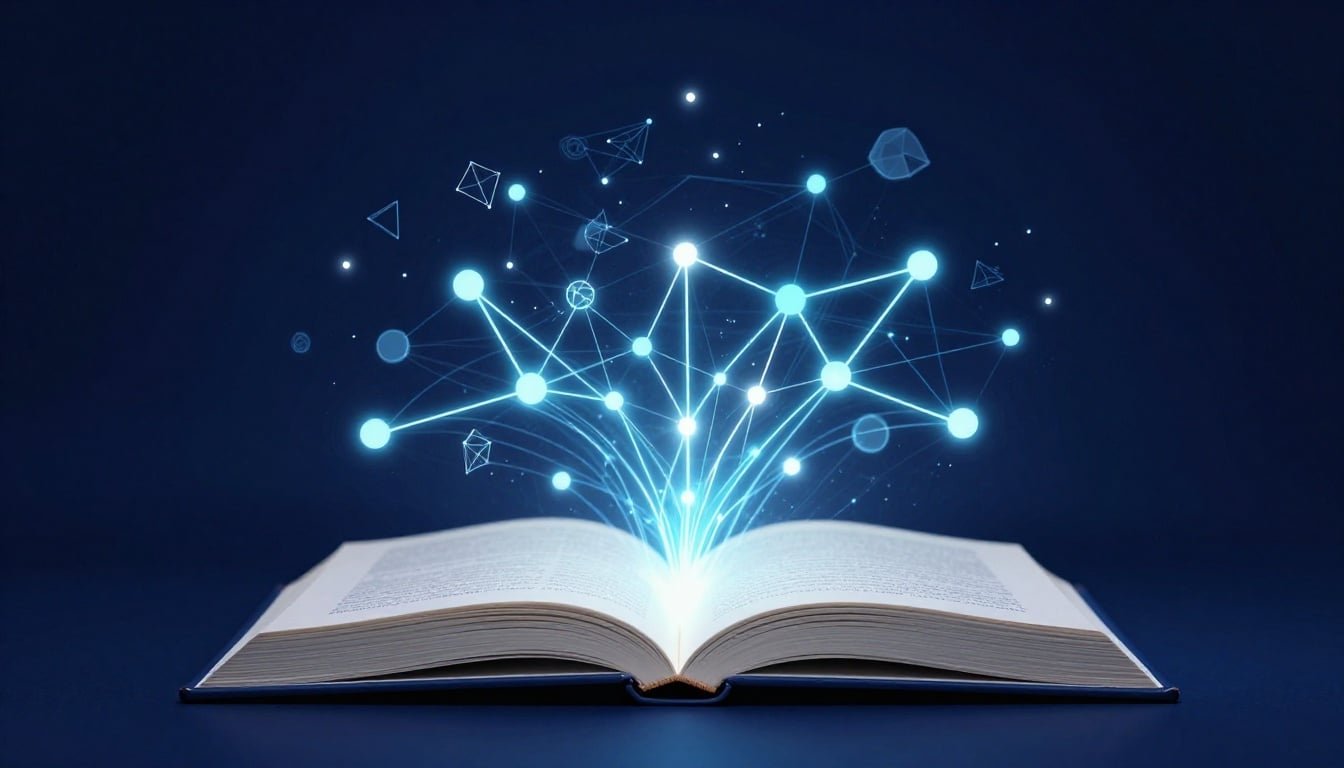
Imagine a classroom where every child gets lessons made just for them. No more struggling with tough topics or boredom from easy ones. That's the promise of AI in education. Traditional schools often push the same plan on everyone. It leaves some kids behind and others unchallenged. AI changes this by acting as a smart guide. In education tech, or EdTech, AI means computer systems that learn from data and help humans. Experts say this shift could touch millions of students soon. By 2026, over half of schools worldwide plan to use AI tools.
AI-Driven Personalization: Tailoring Education to the Individual Learner
AI makes learning fit each person's style and speed. It looks at how you study and tweaks the material. This way, no one feels lost in a crowd.
Adaptive Learning Platforms and Real-Time Assessment
These platforms watch your every move during lessons. If you nail a math problem fast, it ups the challenge right away. Struggle with fractions? It slows down and adds examples. Studies show these tools boost scores by up to 30% in subjects like science. One platform, DreamBox, adjusts math lessons in real time for kids from grades K-8. Teachers see progress reports that update live. This keeps everyone on track without extra work.
Intelligent Tutoring Systems (ITS)
Think of ITS as a patient coach always ready to help. They give hints and explain steps just like a real tutor would. In language classes, Duolingo's AI spots weak spots in grammar and drills them gently. For math, Carnegie Learning's system solves problems step by step with you. Research from Stanford found ITS cut failure rates by 25% in algebra courses. These tools work around the clock, so you get help anytime.
Identifying and Addressing Learning Gaps Early
AI scans patterns to spot trouble before tests fail. It checks quiz results, time spent, and even mouse clicks for clues. If a student skips basics in reading, alerts go to teachers fast. Schools like those using IBM Watson now catch at-risk kids months ahead. Educators can then pull small groups for extra support. Try this: Review weekly AI reports and pair them with one-on-one chats. It turns data into real help and stops small issues from growing big.
This personalization builds confidence. Kids feel seen, and that drives better results across the board.
Transforming the Educator Role: AI as the Teacher’s Co-Pilot
Teachers won't lose jobs to AI. Instead, it becomes their sidekick, handling boring parts so they focus on what matters. You get more time to connect with students and spark ideas.
Automating Administrative Tasks and Grading
Grading papers takes hours each week. AI tools like Gradescope scan essays and tests in seconds. It scores multiple-choice right and flags tough written answers for review. Scheduling parent meetings? AI apps like ClassDojo sort times based on everyone's calendar. One survey from EdWeek showed teachers save 10 hours a month this way. Less paperwork means more energy for creative lessons. Imagine ending your day early to plan fun projects.
Data-Informed Instructional Design
AI pulls together class data to show big-picture trends. Did half the group stumble on history dates? It suggests videos or games to fix that. Tools like Google Classroom analytics highlight top struggles. Teachers use this to tweak plans mid-unit. In a Chicago pilot, such insights raised test scores by 15%. You spot patterns humans miss and adjust on the fly. This makes your teaching sharper and more effective.
Professional Development Enhanced by AI
Even teachers need to grow. AI reviews your lessons through video or feedback forms. It spots strengths, like great group activities, and areas to improve, such as pacing. Platforms like TeachFX offer custom tips based on your style. A study by the Bill & Melinda Gates Foundation linked AI coaching to better student engagement. You pick modules that fit your needs, like handling tough classrooms. It's like having a mentor in your pocket, always up to date.
With AI's help, educators shine brighter. They lead with fresh energy and deeper insights.
Expanding Access and Equity Through AI Technology
AI breaks down walls that keep some kids from good education. It reaches far places and helps everyone join in. No more leaving anyone out.
Global Reach and Scalability of Digital Content
Remote villages now get top lessons via apps. AI translates books into local languages in seconds. Tools like Khan Academy use it to dub videos for non-English speakers. This opens doors in over 190 countries. Scalability means one great course serves thousands without extra cost. In India, AI helped 10 million more kids access math help last year. You learn at home with spotty internet, thanks to offline modes.
Accessibility Features for Students with Disabilities
AI turns barriers into bridges. Text-to-speech reads books aloud for blind users. Apps like Seeing AI describe images in real time. For those with dyslexia, predictive typing guesses words to speed writing. Microsoft's Immersive Reader changes font and spacing for easier reading. These features cut dropout rates by 20% in special ed programs. Everyone gets a fair shot, no matter their needs.
Cost Reduction in Content Delivery
Old textbooks cost a fortune to print and ship. AI generates digital versions cheap and fast. It updates facts automatically, skipping yearly buys. Platforms like Coursera lower fees with AI matching free resources. Schools save up to 40% on materials, per UNESCO data. Funds go to tech or smaller classes instead. Affordable tools mean quality learning for all budgets.
AI levels the field. It brings the world closer and makes education a right, not a luxury.
The Ethical Landscape and Challenges of Integrating AI in Schools
AI brings power, but it needs careful use. We must watch for risks like unfairness or data leaks. Balance tech with trust.
Data Privacy and Student Security Protocols
Kids share lots of info with AI apps. Strict rules like FERPA in the US protect it. Always get parent okay before tracking. Risks include hacks stealing grades or habits. Experts from the FTC urge encrypted storage and clear policies. Use tools with privacy badges, and teach kids about safe sharing. One breach can shake trust, so lock it down tight.
Mitigating Algorithmic Bias
AI learns from past data, which can carry old prejudices. If training sets favor one group, it might grade others harder. Regular checks fix this—test AI on diverse samples. Google's guidelines push for bias audits every update. In one case, an AI tutor improved fairness after tweaks, helping minority scores rise 18%. Train it right from the start to keep things even.
Maintaining Essential Human Interaction and Soft Skill Development
Tech can't hug or cheer you up. Humans build empathy and teamwork that AI skips. Mix screen time with group talks and plays. Schools using blended models see social skills hold steady. Why not? Real chats teach listening better than any bot. Keep the human touch to grow well-rounded kids.
Face these issues head-on. Done right, AI lifts everyone without harm.
Conclusion: Charting the Course for the Intelligent Classroom
AI in education reshapes how we learn and teach. It personalizes paths for students, empowers teachers with tools, and opens doors worldwide. From adaptive platforms to bias checks, the gains are huge if we guide it well.
- Prepare for personalized lessons that fit every learner's pace and style.
- Train educators to use AI data for smarter planning and growth.
- Push for equal access so no child misses out on these tools.
- Build ethical rules to protect privacy and fairness in every school.
The road ahead calls for smart steps. We must harness AI with care to create brighter futures for all students. Start now—explore one tool today and see the difference.
Related Articles
More in AI Applications
How AI Is Transforming Healthcare
From diagnosis to drug discovery — explore the most impactful AI applications in modern medicine.

The AI Revolution: Transforming Finance and Banking Operations
How banks and fintech companies are deploying AI to cut costs, reduce fraud, and improve customer experience.
Robotics and AI: What's Next?
The next generation of AI-powered robots is here. Here's what's coming and why it matters.