How AI Is Transforming Healthcare
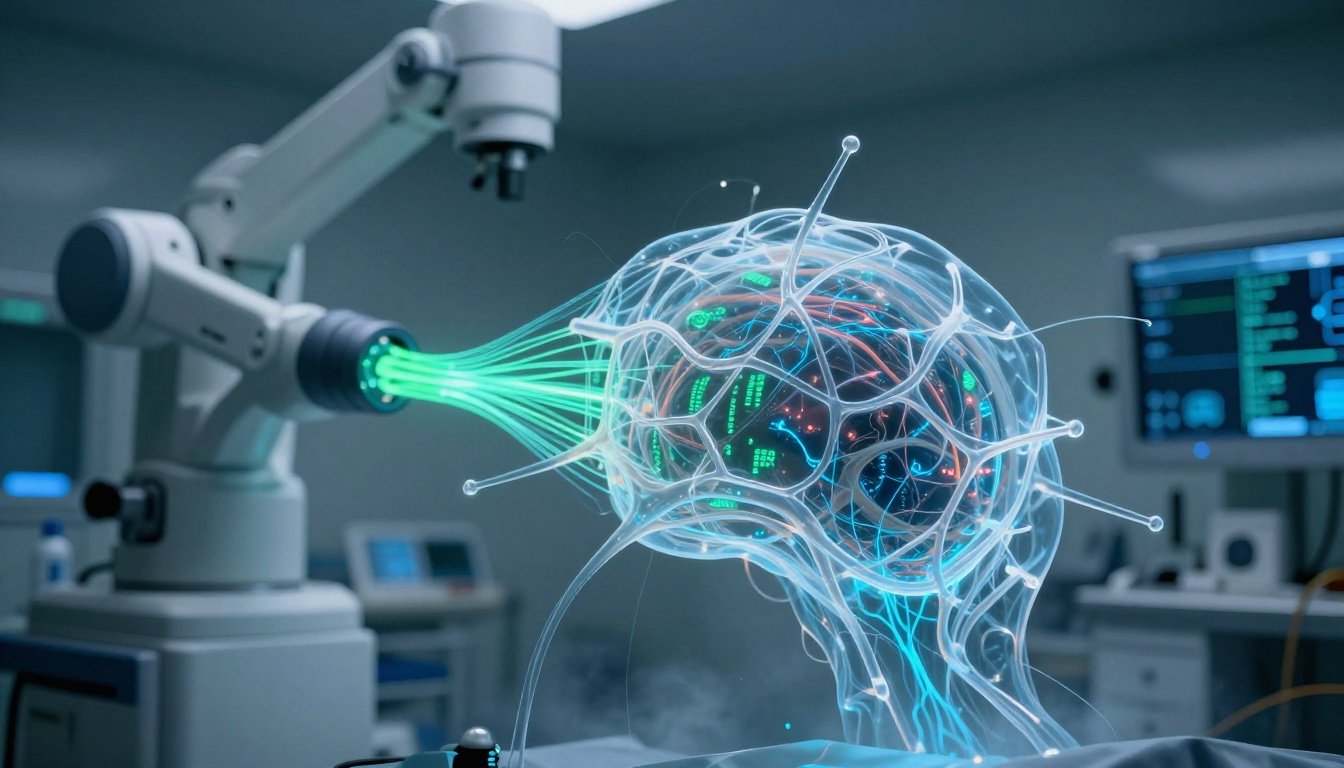
Did you know that doctors miss about 10% of cancer diagnoses from imaging scans? This error can delay treatment and cost lives. Yet, imagine a tool that spots those hidden signs in seconds, giving patients a better shot at recovery.
Artificial Intelligence, or AI, steps in here as a smart helper for doctors, not a full takeover. It boosts accuracy, speeds up work, and makes care available to more people. This article looks at how AI changes diagnostics, speeds up drug discovery, tailors treatments, and eases admin tasks in healthcare.
AI in Diagnostics: Enhancing Accuracy and Speed
AI tools now scan medical images with sharp eyes. They catch details humans might overlook. This shift saves time and lives in busy hospitals.
Medical Imaging Analysis and Radiology
Deep learning models review MRIs, CT scans, and X-rays in moments. They find early signs of tumors or breaks better than solo human checks. For instance, one FDA-approved tool from Aidoc flags brain bleeds in emergency scans, cutting review time by half.
These systems learn from thousands of past cases. They spot patterns in noise, like tiny lung nodules that signal cancer. Hospitals using them report fewer missed diagnoses, up to 20% in some studies.
Radiologists still guide the process. AI just lifts the load, letting them focus on tough calls. This combo raises overall precision in daily scans.
Predictive Diagnostics Through Data Aggregation
Machine learning pulls from electronic health records, genes, and lab tests. It spots risks for diseases before symptoms hit. Think of it as a weather forecast for your body, warning of storms ahead.
In hospitals, AI predicts sepsis hours early by tracking vital signs. This alert lets teams act fast, dropping death rates by 20% in trials. It also flags heart risks from patterns in blood work and history.
Patients benefit from home checks too. Apps use this data to suggest lifestyle tweaks. Early warnings mean simpler fixes, not big crises later.
Pathology and Digital Slide Review
AI scans digital slides to count cells and grade tumors. It cuts down on varying opinions between pathologists. Consistency matters when decisions hinge on tiny details.
Tools like PathAI review biopsies for breast cancer markers. They quantify changes with high speed, aiding quicker reports. This reduces errors from tired eyes after long shifts.
Pathologists verify AI outputs, blending tech with human insight. The result? Faster, fairer pathology reports that guide better therapy choices.
Accelerating Drug Discovery and Development
Drug hunts once took years and billions. AI shortens that path by crunching data humans can't handle alone. New medicines reach patients quicker this way.
Target Identification and Validation
AI combs biology databases for fresh drug targets. It links proteins and genes that old methods skip. Platforms like BenevolentAI analyze vast sets to pinpoint disease weak spots.
This speeds validation too. Simulations test targets without lab trials first. Companies save months and cash on dead ends.
One example: AI found a new target for ALS, a tough nerve disease. It opened doors to trials that might help patients soon.
De Novo Molecule Generation and Compound Screening
Generative AI builds new drug molecules on computers. It predicts how they work, their side effects, and body fit. This in-silico design trims pre-clinical steps from years to months.
Insilico Medicine uses this for fibrosis drugs. Their AI created candidates that entered trials fast. It cut costs by testing virtually first.
Screening billions of compounds? AI ranks the best ones quick. Labs then focus on winners, boosting success odds.
Optimizing Clinical Trial Design
AI picks perfect trial patients from data pools. It matches them to study needs, raising enrollment speed. Fewer dropouts mean cleaner results.
It also plans trial steps smarter. Predictions on side effects guide dose tweaks. This lifts success rates and slashes expenses by 30%, per some reports.
For rare diseases, AI finds scattered patients worldwide. Trials run smoother, bringing cures closer for those who need them most.
Precision Medicine and Personalized Treatment Protocols
One treatment fits all? Not anymore. AI tailors care to your unique makeup, improving outcomes.
Genomic Sequencing and Interpretation
AI decodes gene sequences to spot personal disease causes. It sorts through millions of variations for key ones. This moves care from generic to your DNA.
In cancer, tools like Tempus analyze genomes fast. They match mutations to targeted drugs. Hospitals can use these for quick variant calls, speeding oncology plans.
Patients get plans that hit the mark. Side effects drop, and responses rise. It's like a custom map for beating illness.
Customized Treatment Recommendation Engines
Clinical decision systems use your data plus global research. They suggest best doses or therapy mixes. AI in radiation oncology plans exact tumor hits, sparing healthy tissue.
These engines pull fresh studies daily. Doctors get tailored advice at the point of care. It cuts guesswork in complex cases.
For chronic ills like diabetes, AI adjusts insulin based on real-time inputs. Patients stay stable with less hassle.
Remote Monitoring and Continuous Patient Engagement
Wearables with AI track heart rates and steps. They spot off patterns and alert docs. Remote systems catch issues early, like irregular rhythms.
This keeps patients out of hospitals longer. Apps chat with users, reminding meds or diet tips. Engagement rises, health improves.
In heart failure, AI-monitored devices predict flares. Teams step in before ER visits. It's care that follows you everywhere.
Streamlining Healthcare Operations and Administration
Admin work buries doctors in paperwork. AI frees them for patient talks. Operations run smoother too.
Reducing Physician Burnout Through Automation
Natural Language Processing turns doctor notes into records. It listens to visits and drafts summaries. Claims process faster without manual entry.
Docs spend 50% of time on admin now, per surveys. AI cuts that, letting them see more patients. Tools like Nuance's Dragon Ambient eXperience handle the grunt work.
Burnout drops when focus shifts to healing. Happier docs mean better care all around.
Predictive Resource Allocation and Hospital Logistics
Machine learning forecasts patient rushes. It sets staff needs and room bookings right. Inventory for masks or drugs stays optimal.
Hospitals avoid shortages during peaks. AI predicts OR schedules to match urgencies. Flow improves, waits shorten.
One system at Johns Hopkins cut readmits by forecasting needs. Efficiency saves money and stress.
Enhancing Cybersecurity and Data Integrity
AI watches networks for odd traffic. It blocks breaches before they hit patient files. In linked systems, this guards health info tight.
Threats grow with digital records. AI learns attack patterns to fight back. It flags risks in real time.
Strong data means trust. Patients share more freely, aiding better care.
Navigating the Ethical and Implementation Hurdles
AI brings power but needs careful use. Fairness and rules matter to keep trust.
Addressing Bias and Fairness in Algorithms
Bias creeps in from skewed data sets. AI might miss issues in diverse groups. Audits fix this for equal care.
Experts push standard checks. Diverse training data helps. Without fixes, gaps widen. Balanced AI serves all patients well.
Regulatory Frameworks and Trust Building
FDA approves AI like software updates. Adaptive systems need ongoing reviews. This builds clinician faith.
Public education eases worries. Clear benefits show AI as ally. Regs ensure safe growth.
Trials prove safety first. Trust grows with proven wins.
Integrating AI Seamlessly into Clinical Workflows
Link AI to current records for smooth use. Training helps staff adopt quick. Start small to build habits.
Interoperability cuts errors. Users get tools that fit daily routines. Success comes from team buy-in.
Hospitals see gains in pilots. Scale up with feedback loops.
Conclusion: The Future of Human-Augmented Health
AI sharpens diagnostics, catching issues fast and sure. It transforms scans and predictions into lifelines.
Research and development speed up, birthing new drugs quicker. Trials run smart, costs fall.
Looking ahead, top health systems blend AI with human touch. Machines handle routine; people provide empathy. This partnership heals deeper, reaching more lives in the years to come.
Ready to see AI in action? Explore how it fits your health setup today.
Related Articles
More in AI Applications
The AI Revolution: Transforming Finance and Banking Operations
How banks and fintech companies are deploying AI to cut costs, reduce fraud, and improve customer experience.
Robotics and AI: What's Next?
The next generation of AI-powered robots is here. Here's what's coming and why it matters.

AI in Education: The Future of Learning
How personalized AI tutors and smart learning systems are reshaping education worldwide.