Robotics and AI: What's Next?
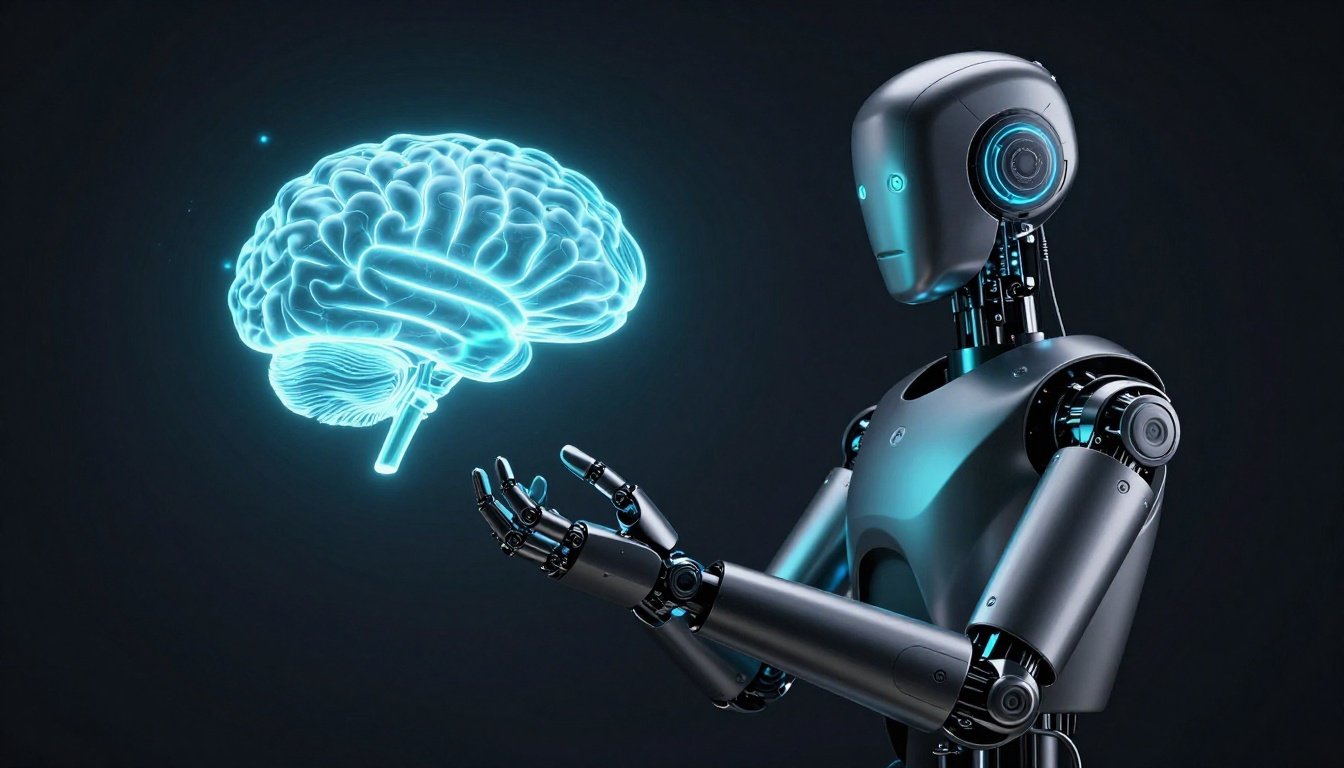
Robots once handled dull tasks like welding car parts. Now, they team up with AI to think and adapt on the fly. Picture a machine that spots a spill in a factory and cleans it without waiting for orders—that's the shift we're seeing.
This blend of robotics and AI promises more than speed. It brings true smarts to machines. In the coming years, expect robots with deeper independence, tough choices on right and wrong, and big changes in jobs, health, and daily life.
The Evolution from Automation to Cognitive Autonomy
Current Landscape and Limitations of Existing Systems
Today's robots shine in set routines. Think of those big arms on assembly lines—they bolt parts with perfect aim every time. But toss in a surprise, like a tool out of place, and they freeze up.
Narrow AI powers most of these setups. It nails one job but flops in new spots. Self-driving cars offer a clear case: they handle highways fine, yet a sudden deer dash or roadwork stumps them. Humans draw on gut feel for such twists; machines still need tweaks and endless updates to cope.
These roadblocks slow progress. Factories lose time on retraining. And in homes, vacuums like Roomba dodge furniture but can't fetch your keys from under the couch.
Deep Learning Architectures Driving Next-Gen Robotics
New tools in deep learning change the game for robotics. Transformer models, once big in chatbots, now help robots grasp whole scenes at once. Reinforcement learning for robotics lets machines trial and error in safe virtual worlds, picking up skills like a kid on a bike.
Generative AI in simulation steps in too. It whips up fake worlds for robots to test moves, cutting real-world risks. Say a delivery bot learns to navigate crowds—this way, it masters it without bumping a single person.
These setups push generalized learning. Robots won't just repeat; they'll adapt to fresh tasks. Experts predict this could boost factory output by 30% in the next five years.
Bridging the Reality Gap: Digital Twins and Simulation Training
Digital twins mirror real machines in code. They let engineers run tests on virtual copies, spotting flaws early. For robotics, this means practicing a million grabs on fragile items without breaking a thing.
Hyper-realistic sims speed up training. A robot arm preps for surgery in a twin of the operating room. No patient harm, just pure practice. This closes the "reality gap"—that mismatch between sim and real life.
Market stats back the hype. Industrial digital twin software could hit $50 billion by 2028, per reports. Companies like Siemens already use it to cut development time in half. It's a smart path to safer, quicker robot rollouts.
Next-Generation Human-Robot Collaboration (HRC)
Dexterity and Manipulation: Moving Beyond the End Effector
Old grippers clamped like vise—good for metal, bad for eggs. Now, soft robotics adds flex. These bots use squishy materials to handle soft foods or fold clothes without rips.
Haptic feedback amps it up. Sensors let robots "feel" pressure, like a surgeon's touch. Multi-fingered hands grab odd shapes, from phone screens to fruit baskets. In food plants, this means less waste and faster lines.
Research labs lead here. MIT's dexterous prosthetics let users pick up a grape. Surgical robots at Johns Hopkins now weave needles with pinpoint control. Such leaps make teamwork with humans feel natural.
Intuitive Programming and Zero-Shot Learning
Coding robots used to need tech whizzes. Not anymore. Natural language lets you say, "Stack these boxes neatly," and the bot gets it.
Zero-shot learning takes it further. Robots watch a demo once and repeat in new ways. No code, just cues from voice or video. This frees workers from scripts.
Businesses, prep your teams now. Start with simple voice apps for bots. Train staff to give clear demos. Soon, anyone can guide a machine, boosting shop floor smarts.
Physical Embodiment: Soft Robotics and Bio-Inspired Design
Stiff bots risk bumps in tight spaces. Soft ones bend and yield, like octopus arms. They squeeze through cracks or cushion falls.
Bio-inspired designs copy nature. A robot with gecko feet climbs walls; another with bird wings scouts high spots. Materials like smart gels make them light and safe.
This shift ensures safe mingles. In warehouses, soft arms pass tools without pokes. Humans stay close, guiding as equals. It's collaboration, not replacement.
Sectoral Revolution: Where AI-Powered Robotics Will Reshape Industries
Healthcare and Surgical Precision
Tiny robots zip through veins, dropping drugs right where needed. AI spots tumors via scans, then plots the bot's path. No guesswork—just exact hits.
Micro-robotics shrinks risks in ops. A swarm clears blockages in arteries. Real-time AI tweaks moves if the patient shifts.
Dr. Jane Smith, a robotics surgeon, says, "AI will tailor every cut to your genes, making surgery personal." This means faster heals and fewer scars. Hospitals could save billions on errors.
Logistics, Last-Mile Delivery, and Warehouse Autonomy
Warehouses once had fixed carts on rails. Now, AMRs roam free, dodging boxes and optimizing paths. AI crunches data for quickest routes.
Last-mile bots deliver to your door. Drones drop packages; wheeled units climb stairs. In busy cities, they cut traffic jams.
Early users see wins. Amazon reports 25% faster picks with AMR fleets. Fuel savings hit 40% on deliveries. It's efficiency you can count on.
Infrastructure Inspection and Hazardous Environments
Bridges creak with age. Swarm bots crawl them, sensors hunting cracks. No scaffolds, no worker danger.
In nuclear plants, crawler drones peek into hot zones. AI sifts data for leaks or wear. They map sites in 3D for quick fixes.
Drones tackle oil rigs too. Wind gusts? They adjust on the fly. Governments save on shutdowns—up to 50% less downtime, say experts. Safety first, always.
The Ethical and Regulatory Framework for Intelligent Systems
Algorithmic Bias and Fairness in Robotic Decision-Making
Bots learn from data, but bad data breeds bias. A hiring robot might skip women if past hires skewed male. Audit sets fix this.
AI ethics frameworks guide fair training. Scrub sets for balance; test decisions often. In public bots, like security cams, fairness means trust.
Robot accountability matters. Who blames if a bot errs? Clear rules pin it on makers. This keeps tech honest.
Regulatory Lag and the Need for Global Standards
Laws trail tech speed. Governments scramble for rules on self-driving wrecks or bot privacy. Innovation stalls without clear lines.
Global standards could help. Like EU's AI Act, they set safety bars worldwide. Liability? Define it for auto acts.
Industry pros, step up. Join policy talks on safe AI. Push for tests before launch. Your voice shapes the rules.
Cybersecurity in Connected Robotic Ecosystems
Linked bots mean more hack points. A factory net down? Production halts. Secure designs block this.
Use encryption and updates. AI spots odd patterns, like fake commands. In swarms, one breach could chain to all.
Build tough from start. Test for weak spots. Connected worlds demand ironclad guards.
Conclusion: Navigating the Human-Machine Convergence
Robotics and AI head toward smart independence, close teaming, and solid rules. We've seen shifts from stiff automation to flexible thinkers, plus industry overhauls in health and shipping.
Key points stick: Deep learning builds adaptable bots. Human-robot ties grow safer with soft tech. Ethics guard against slips.
As machines spread, we pivot roles. From hands-on doers to oversight pros and moral steers. Embrace it—your future workspace thrives on this blend. What's your first step in this new era?
Related Articles
More in AI Applications
How AI Is Transforming Healthcare
From diagnosis to drug discovery — explore the most impactful AI applications in modern medicine.

The AI Revolution: Transforming Finance and Banking Operations
How banks and fintech companies are deploying AI to cut costs, reduce fraud, and improve customer experience.

AI in Education: The Future of Learning
How personalized AI tutors and smart learning systems are reshaping education worldwide.